

How To Remodel Your Home for Aging in Place and Accessibility
This article has been written by
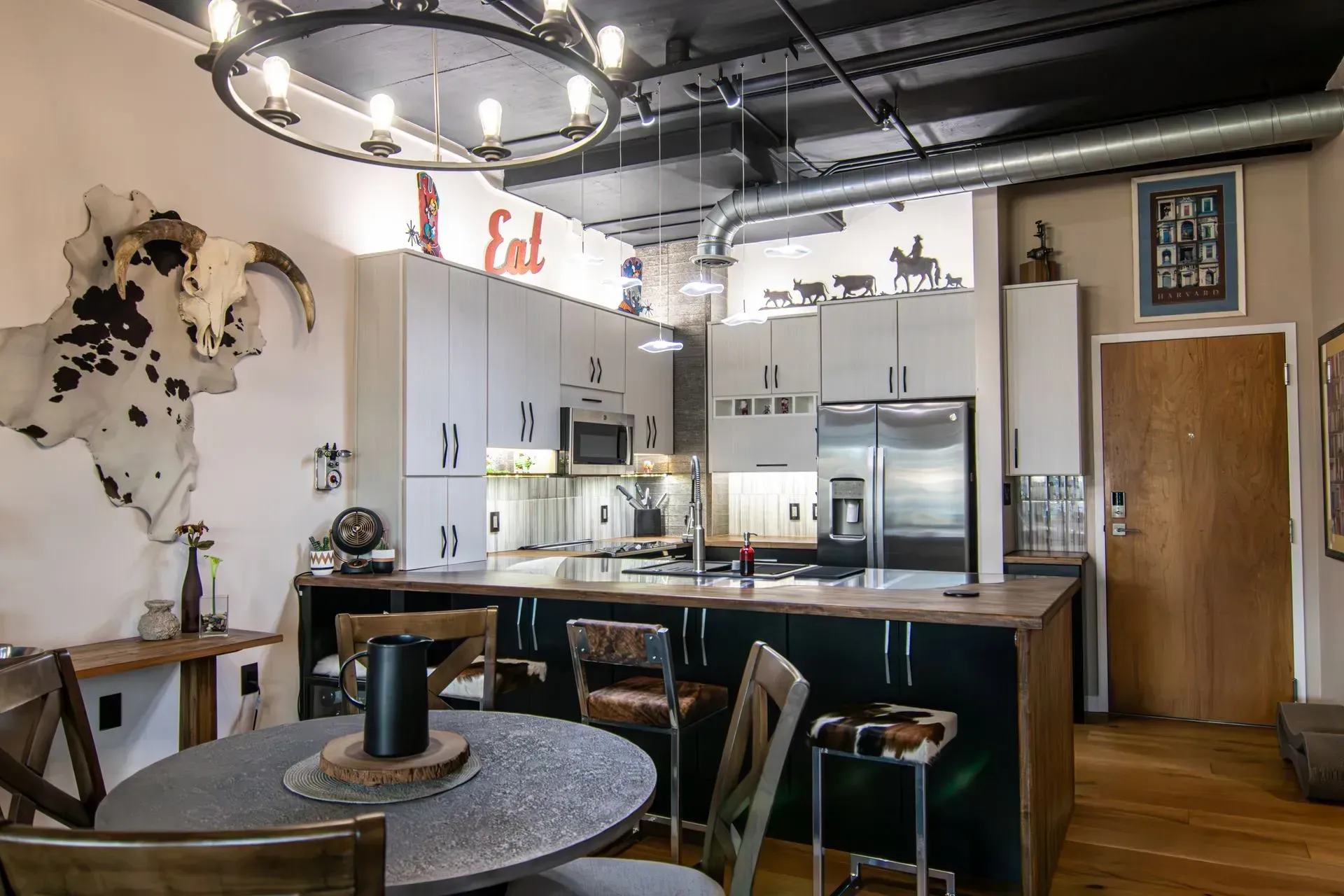
The area beneath the counter overhang provides convenient storage for fine stemware, holiday china, or extra dining linens.
Focus on Lighting
It's key to update a house as homeowners age and their movement, safety, and daily function are affected. By integrating accessibility principles into remodeling projects, homeowners can create functional spaces that accommodate mobility needs. At Greenville Kitchen & Bath, our team specializes in home remodeling that adapts living spaces to changing needs; this includes kitchen upgrades or bathroom reconfigurations. Here's how to remodel your home for aging in place and accessibility:
1. Entryways and Hallways
Home remodeling includes updating entryways, hallways, and thresholds, and implementing accessibility into these areas helps with safe and unrestricted movement. Widening doorways and hallways accommodates wheelchairs or walkers, and this makes navigation easier for individuals with limited mobility. Some home renovation services include structural modifications that expand passage widths and level flooring transitions. Removing raised thresholds and installing wider doors reduces obstacles. These adjustments are effective when incorporated in the renovation process. It allows for seamless integration with the overall design plan. At Greenville Kitchen & Bath, our team evaluates load-bearing walls and makes safe, code-compliant adjustments for accessible pathways.
2. Kitchen Remodeling and Accessibility
A functional kitchen allows individuals to carry out daily tasks, including cooking. Designing for accessibility also reduces strain and unnecessary movement. Some home renovation services install under-cabinet lighting to provide additional light to help reduce falls due to dark areas, and it helps enhance the kitchen's ambiance.
Other home services include installing lower countertops and adjustable shelving. Cabinets may have pull-out shelves and drawers; this helps reduce the need to reach high or bend low. Some designs will strategically place lighting to improve visibility for detailed tasks such as food preparation.
Homeowners can choose open floor space under sinks and cooktops to allow for seated access. Incorporating slip-resistant flooring and easy-to-use hardware also contributes to a safer kitchen workspace, and this helps users complete everyday tasks with less physical effort. At Greenville Kitchen & Bath, our team works with clients to customize cabinet layouts and countertop heights based on specific accessibility goals.
3. Bathroom Remodeling and Safety Features
Bathroom designs should review water surfaces, the height of fixtures, and tight spaces for safety. Remodeling services address these challenges by introducing features that support easier entry and use. Installing walk-in showers with no-threshold entries allows for barrier-free access, and built-in seating and grab bars provide stable support. Curbless showers with handheld showerheads offer versatile use while accommodating both seated and standing positions.
Toilets and vanities can also be remodeled to include comfort-height fixtures and easy-reach storage. Wheelchair-accessible sinks with open knee clearance improve maneuverability, and slip-resistant tile reduces the risk of falls on wet surfaces. Precise fixture placements help to maximize space and support functional use.
Use Home Remodeling Services
Whether you are reconfiguring entryways or converting the main living space into accessible areas, each renovation contributes to a safer and more accessible space. Working with experienced professionals makes sure that your remodeling project meets code requirements and supports efficient use of space. At Greenville Kitchen & Bath, our team offers various services, including kitchen and bathroom remodeling. Contact us today to learn more about our services and how we help with kitchen and bathroom remodeling.